
The interface around the headset: productising specialised hardware
How we approach marketing sites and clinician-facing portals when the specialised hardware already exists, and the real product work sits around it.
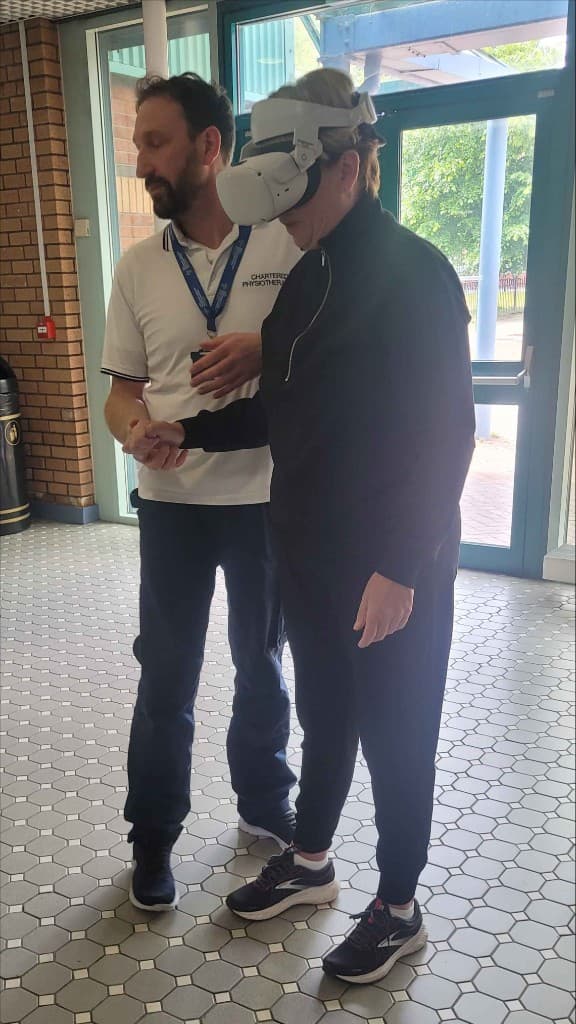
Specialised hardware can feel like the whole story. A headset session looks impressive. Clinics lean in. Partners ask for demos.
But hardware without a dependable digital layer is still a demo. Someone has to explain the offering, handle enquiries, give the right people access, and keep the day-to-day surface calm when a busy clinic schedule starts.
That is the kind of product work we take on at Yarel Craft Digital.
The pattern we see
Many specialised products already have a strong core: a clinical protocol, a device, a clear mission. What they need next is the product around it:
- a credible public site that speaks to organisations and partners
- secure access for the people delivering the service
- integrations that connect the experience to the rest of the workflow, without rebuilding what already works
What "around the product" usually means
A clear front door
Marketing and product pages that feel trustworthy, not gimmicky, so clinics, trusts and partners understand the value quickly.
An operational portal
The place practitioners actually use: sign-in, accounts, and the surfaces that sit beside the specialised experience. If that layer is unreliable, the hardware never gets a fair chance.
Integration, not reinvention
We do not replace the specialised application by default. We connect around it so communications, access and platform operations stay coherent.
Why this shape of work matters
Specialised products fail in the gaps between a brilliant session and a usable system. Users need motivation; practitioners need visibility; organisations need something they can deploy without inventing a workaround every Friday.
By shipping the site and portal as production software, and wiring integrations carefully, a specialised offering can present as a complete product, not a device in a box.
The question we ask clients
If the "obvious" part of the stack already exists (hardware, protocol, clinical idea), the question is usually the same:
Who owns everything around it?
That is the work we specialise in.